

A clear breakdown of how modern democracies function, evolve, and face new challenges in a globalized world.
Democracy remains one of the most widely adopted systems of governance in the modern world. At its core, it is built on the idea that citizens have the power to choose their leaders and influence decisions that shape society. While the concept is simple, the implementation varies significantly across countries.
Modern democracies operate within complex frameworks involving institutions, constitutions, and electoral systems. These systems are designed to balance power, prevent abuse, and ensure accountability. However, they are constantly tested by political polarization, misinformation, and global pressures.
This blog explores how democracy works today, the challenges it faces, and what the future may hold in an increasingly connected world.
Modern democracy is built on principles such as free elections, rule of law, individual rights, and separation of powers. These elements ensure that authority is not concentrated in a single entity and that citizens have a voice.
Institutions like legislatures, courts, and independent media play a crucial role in maintaining democratic balance. Without these, democracy risks becoming unstable or ineffective.
Transparency and accountability are essential for public trust. Governments must operate in ways that allow citizens to evaluate their performance and make informed decisions.
One of the biggest challenges is political polarization. As societies become more divided, compromise becomes harder, leading to gridlock and reduced effectiveness of governance.
Misinformation, especially through digital platforms, has also become a significant concern. False narratives can influence public opinion and undermine trust in institutions.
Additionally, economic inequality can weaken democratic systems by creating disparities in influence and access to opportunities.
Technology will play a major role in shaping the future of democracy. From digital voting systems to AI-driven policy analysis, innovation has the potential to improve efficiency and participation.
However, these advancements must be implemented carefully to avoid security risks and ensure fairness.
The future of democracy depends on adaptability, civic engagement, and a commitment to core values that prioritize people over power.
Democracy is not a static system — it evolves with society. While it faces challenges, its fundamental principles remain relevant and powerful.
By strengthening institutions and encouraging informed participation, democracies can continue to thrive in a changing world.

How economic growth, alliances, and geopolitics are reshaping global influence.
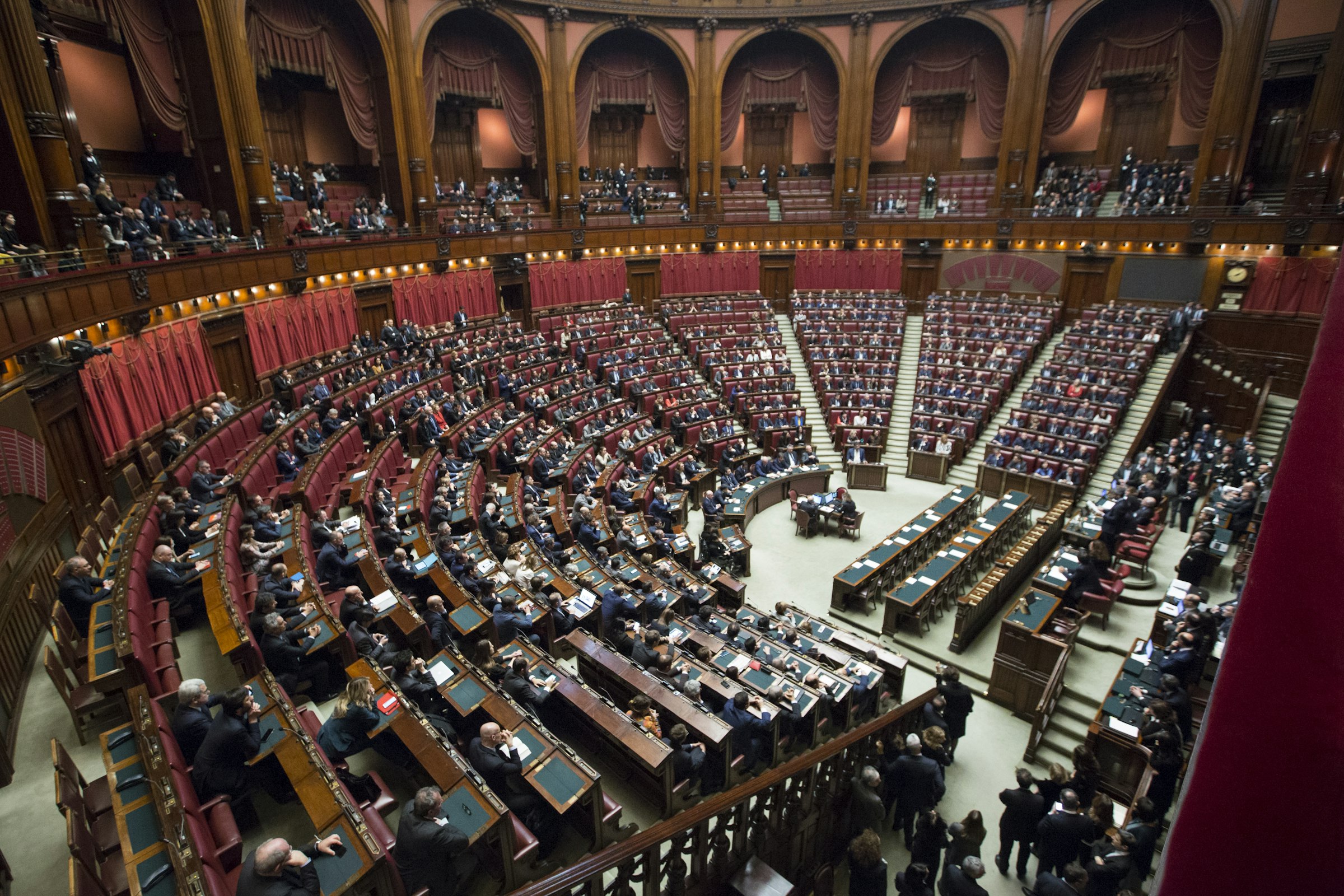
Understanding voting systems, electoral processes, and their impact on governance.

Understanding liberalism, conservatism, socialism, and modern political thought.

How media influences public opinion, elections, and political narratives.